
Most of us have heard the old example from economist Adam Smith. We don't get our dinner because the butcher or the baker is generous. We get it because they act in their own self-interest. By serving others well, they earn a living. Self-interest, Smith argued, is one of the driving forces behind a healthy society.
Modern economics and much of criminology build on this idea through rational choice theory. The theory suggests that people generally weigh the costs and benefits of their actions and choose the option that seems most beneficial. While people may not always have perfect information, they typically act in ways that make sense from their own perspective.
At 1st Step, we agree with this principle, but we believe there is an important question that comes first.
How do people come to perceive their choices in the first place?
If a young man grows up surrounded by violence, instability, addiction, neglect, or hopelessness, the world he sees is very different from someone raised in a stable, supportive environment. His decisions may still be rational based on what he believes to be true. The problem is not necessarily that he is incapable of making rational decisions. The problem is that his perception of what is possible has been shaped by years of adverse developmental experiences.
A young man who believes legitimate employment is impossible may rationally choose to sell drugs. Someone who has never experienced trustworthy relationships may rationally avoid asking for help. Another may see violence as the safest way to protect himself because that is what life has consistently taught him.
These are rational choices, but they are based on distorted perceptions of reality.
This is where Choice-Enabled Habilitation (CEH) begins. CEH extends rational choice by recognizing that developmental experiences shape the opportunities people believe they have. Before we can expect different choices, we must help people develop different perceptions of themselves, others, and their future.
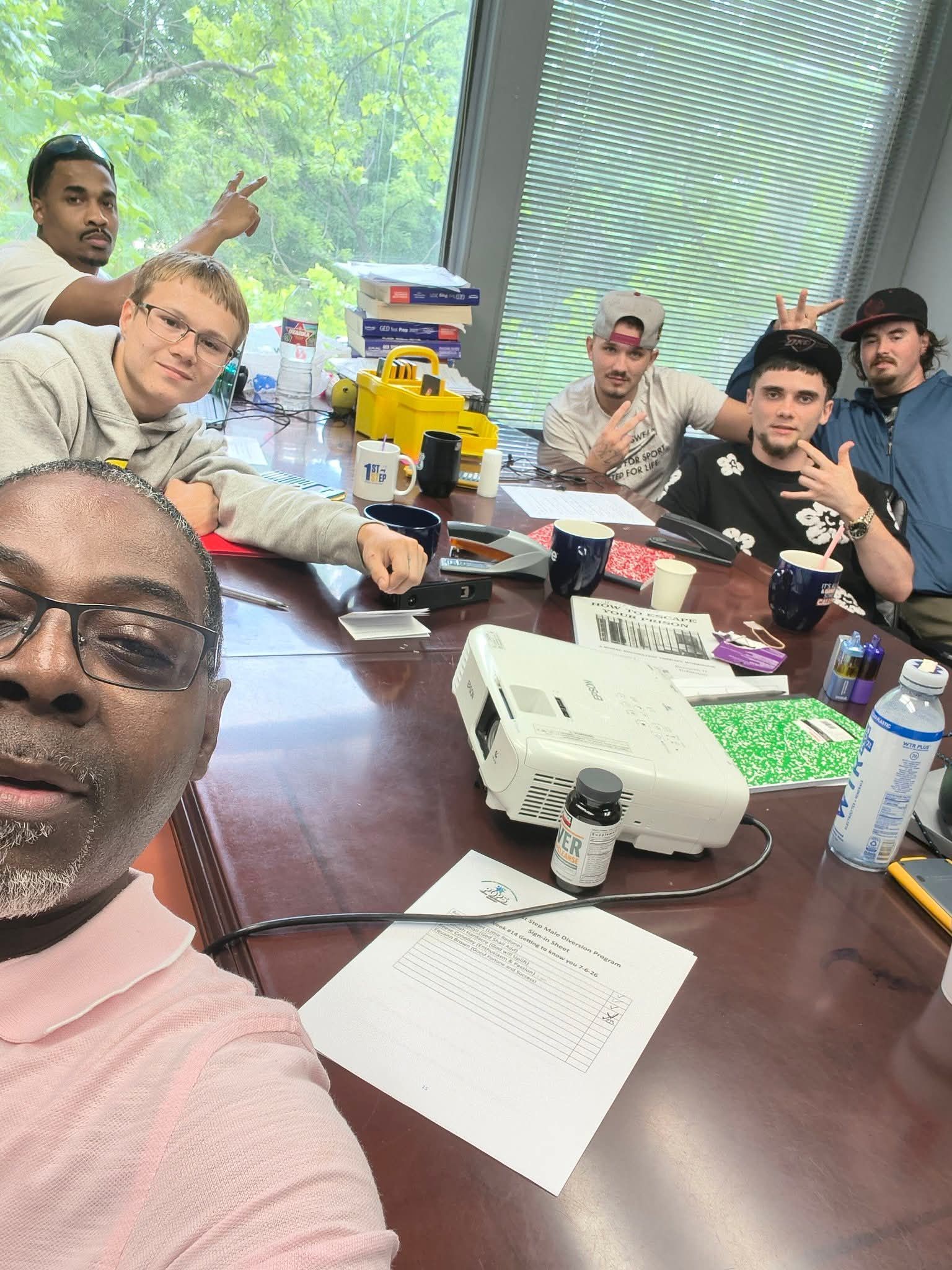
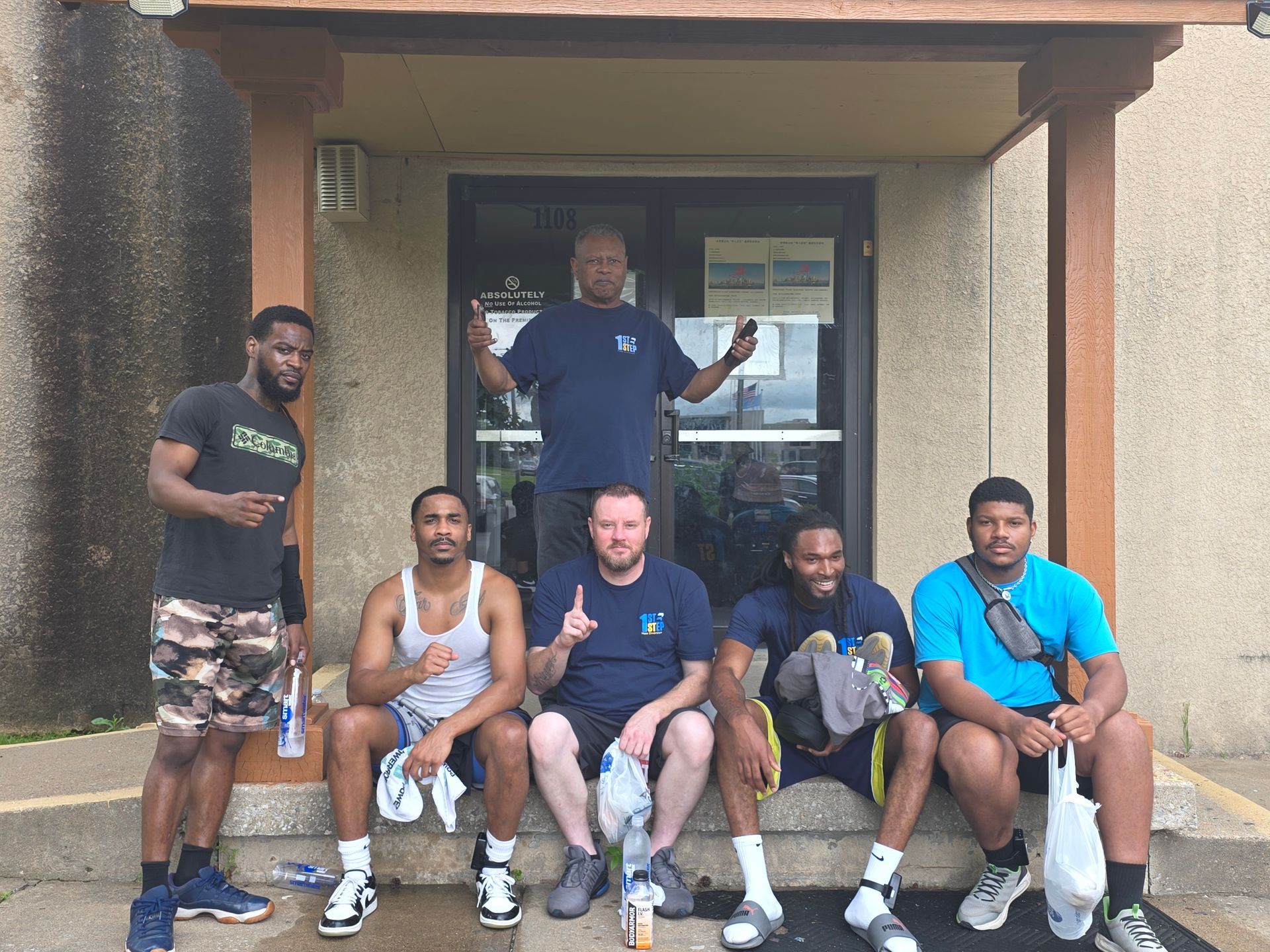
That is why 1st Step emphasizes a safe environment, trusting relationships, incentives, meaningful work, education, counseling, and opportunities for success. These experiences gradually expand what participants believe is possible. As their perception changes, so do the choices they make.
In other words, lasting change is not simply about convincing someone to make better decisions. It is about helping them see better possibilities.
When hope replaces hopelessness and opportunity replaces despair, rational choice begins to work for the individual rather than against him.
At 1st Step, we believe that changing choices starts by changing what people believe they can become.